Bienvenido a Dingxiang Jinyu Forging Co., Ltd.,
Flange Material Selection: Key Considerations
This article focuses on the factors involved in choosing the right material for flanges, considering the impact of different operating conditions and requirements.
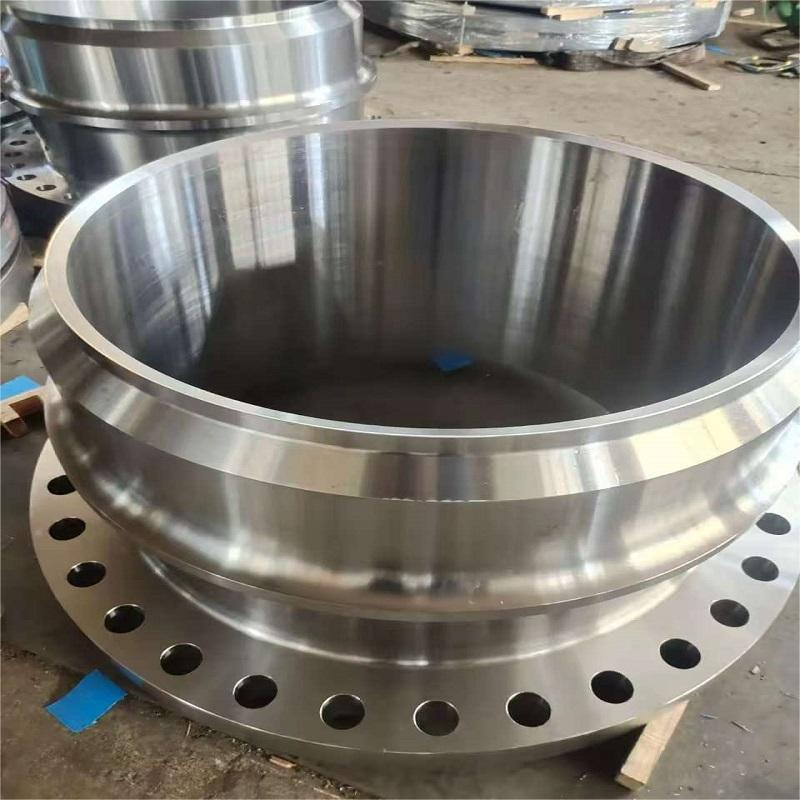
The selection of flange material is a critical decision that directly affects the performance, durability, and safety of industrial piping systems.
One of the main considerations is the chemical compatibility of the material with the fluid being transported. For example, in a system that carries highly corrosive chemicals like sulfuric acid, stainless - steel flanges are a preferred choice due to their excellent corrosion resistance. Stainless steel contains chromium, which forms a passive oxide layer on the surface, protecting the flange from chemical attack.
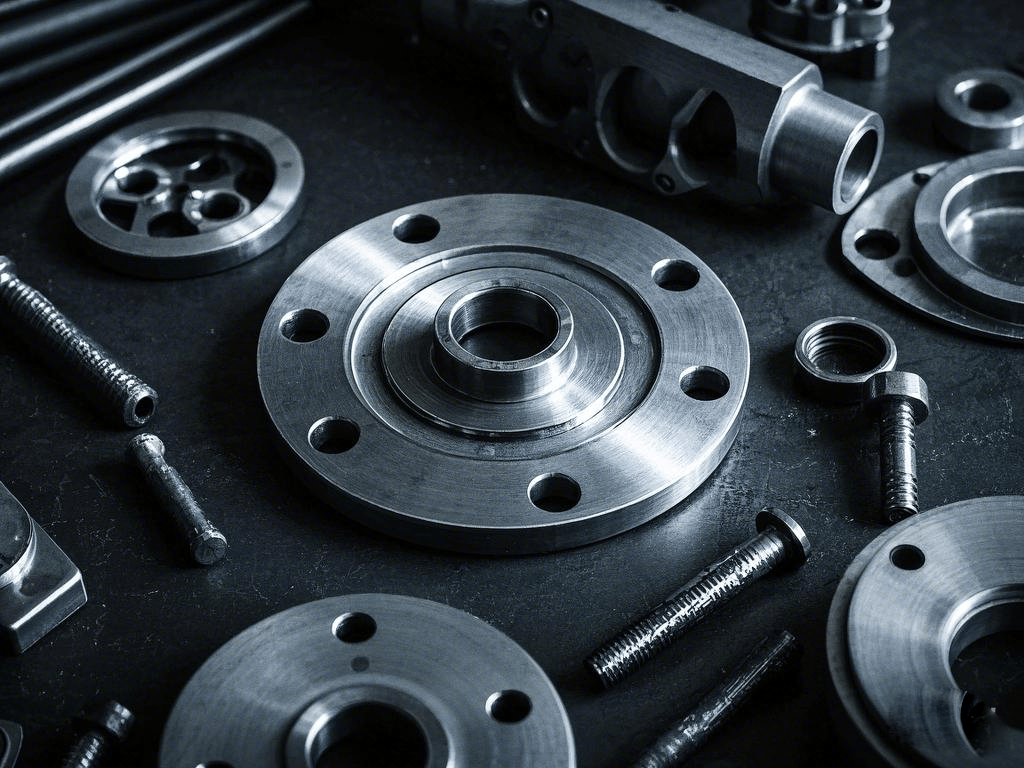
Temperature is another crucial factor. In high - temperature applications, such as in power plants where steam is transported at extremely high temperatures, alloy steel flanges with high - temperature resistance properties are used. These alloys are designed to maintain their strength and integrity even at elevated temperatures, preventing deformation or failure of the flange.
The operating pressure also influences the material selection. For high - pressure systems, materials with high tensile strength are required. Carbon steel flanges are often used in moderate - pressure applications, but when the pressure exceeds a certain level, stronger alloy steels or specialized materials may be necessary.
In addition, cost - effectiveness is an important aspect. While high - performance materials like exotic alloys may offer superior properties, they can be very expensive. Therefore, a balance needs to be struck between the performance requirements and the budget. For some low - risk, low - pressure applications, more affordable materials like carbon steel or even certain types of plastics can be used.
In summary, when selecting flange materials, a comprehensive evaluation of chemical compatibility, temperature, pressure, and cost is essential to ensure the long - term reliability and efficiency of the piping system.
 English
 Русский
 Español